




Acrylic Wall Map, Paris - Designer Series
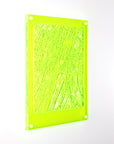
Model shown in Transparent Fluorescent Green.
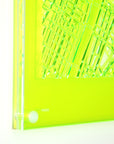
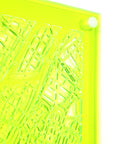
The Atlas Obscured Collection Acrylic Wall Map consists of four layers of laser-cut maps precisely layered to showcase the evolution of a city over time.
Material: Acrylic
Dimensions: 22½in H x 17in W x ⅝in D
Map Scale: 1in = 500ft
Lead Time: Up to 1 Month
Designer Series Wall Maps are made to order utilizing thoughtfully curated maps and narratives. Each piece is made with intention and care. As such, production timelines may be subject to minor adjustments in rare cases. Please allow additional time for shipping.
Made From Four Layers of Historical Maps


OCCUPYING OVER 800 YEARS OF PARIS HISTORY
Top Layer
2026
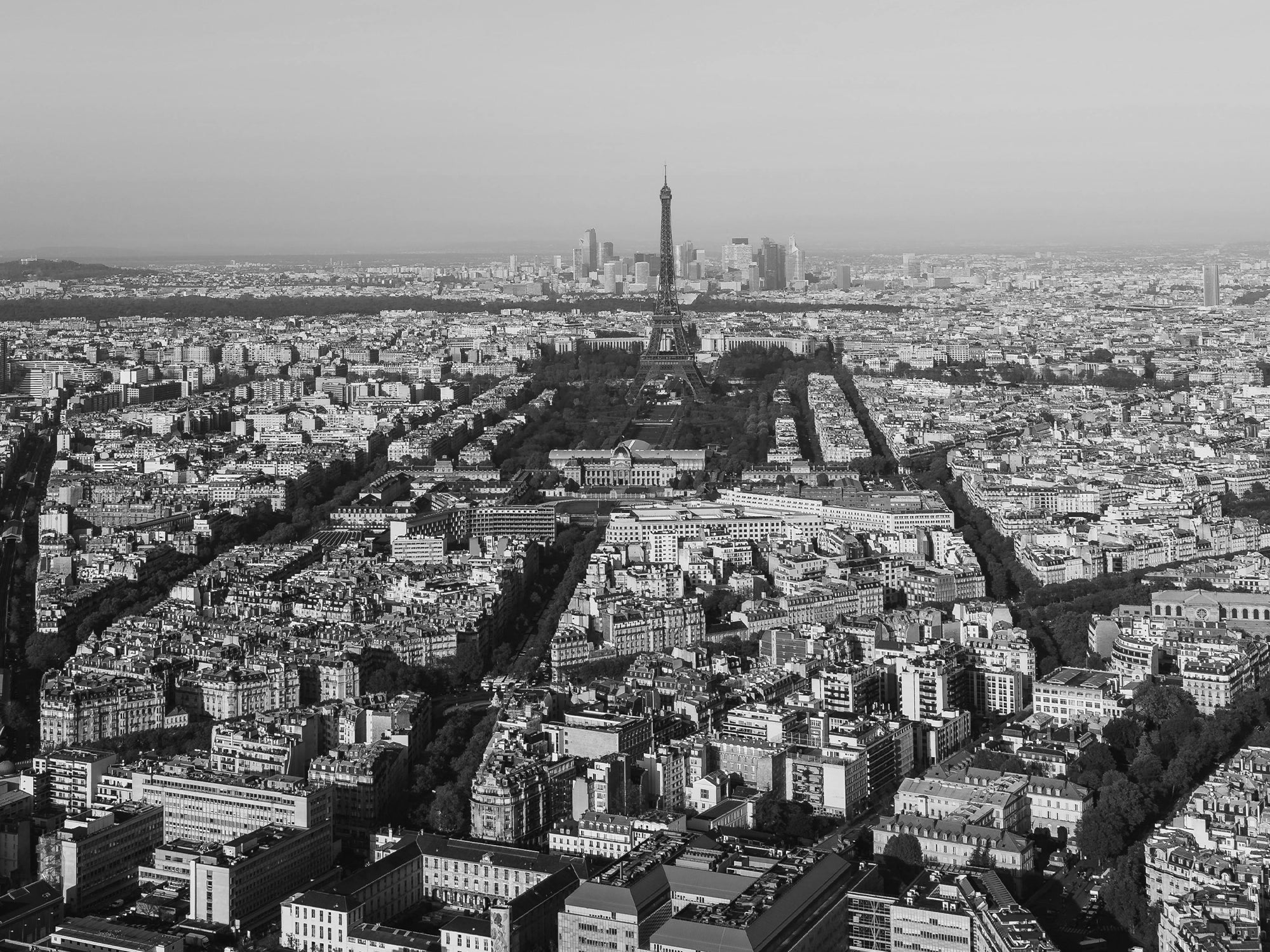
Present-day Paris is a layered city where historic streets and monuments coexist with the pace of a modern global capital.
It serves as a political, cultural, and economic center, shaped by governance, tourism, and a diverse population formed through long histories of exchange. Daily life unfolds through cafés, public transit, and digital networks, alongside ongoing debates over housing, sustainability, and social equity.
Rooted in art, fashion, and literature, Paris continues to evolve by balancing preservation with change in an interconnected world.
Second Layer
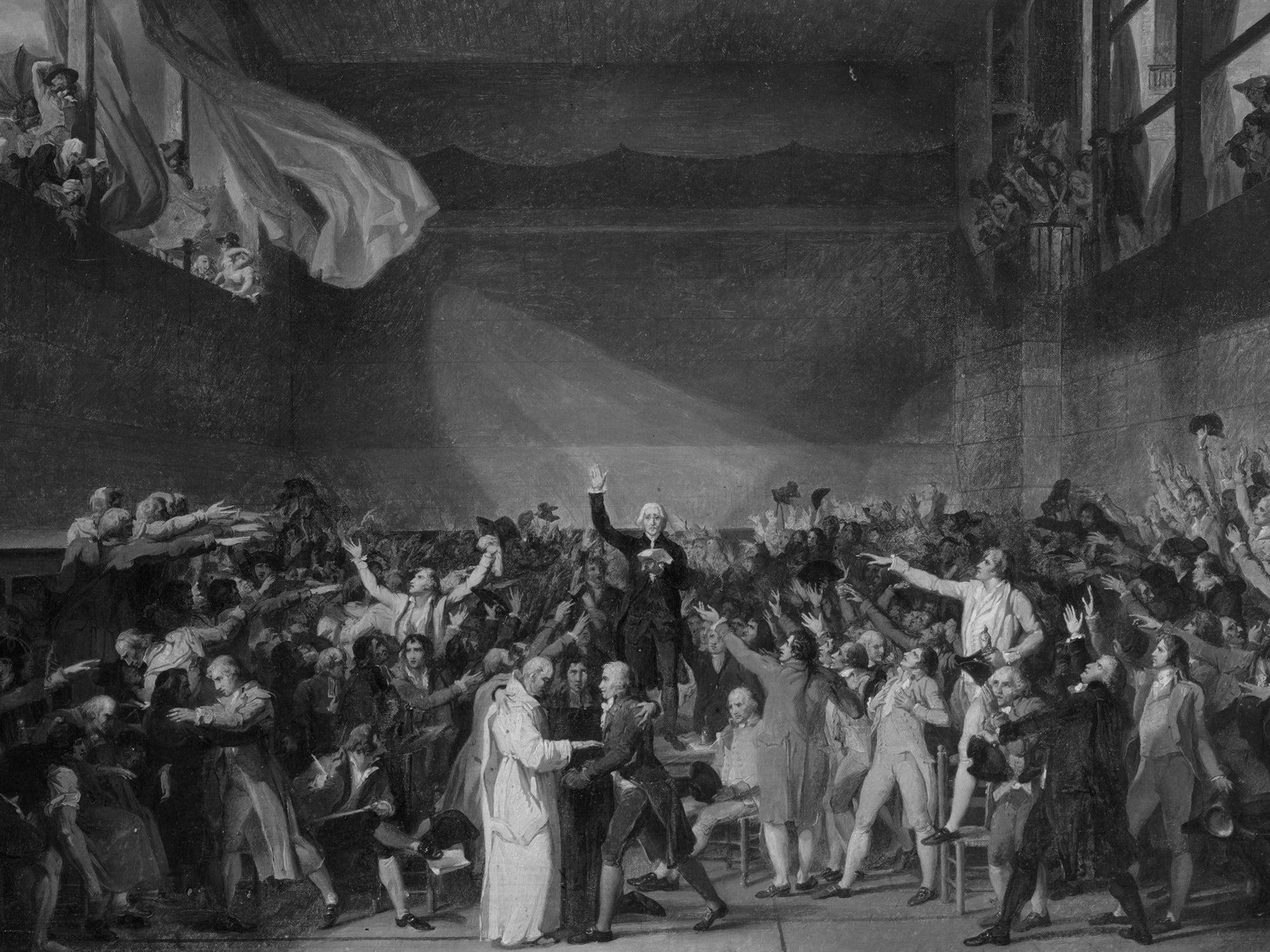
1789
Paris ignites the French Revolution, driven by economic hardship, social inequality, and political unrest.
The storming of the Bastille on July 14 signals the collapse of absolute monarchy, with revolutionary ideals spreading rapidly. The city’s streets become battlegrounds of change, as protests, pamphlets, and speeches fuel the call for liberty. Food shortages and inflation exacerbate tensions, leading to radical demands for reform. Revolutionary leaders such as Robespierre and Danton emerge, shaping the course of France’s political future. The fall of the monarchy transforms Paris into a laboratory for democracy, albeit one marked by violence and upheaval.
In this era of upheaval, Paris redefines its role as the heart of a new, revolutionary France.
Third Layer
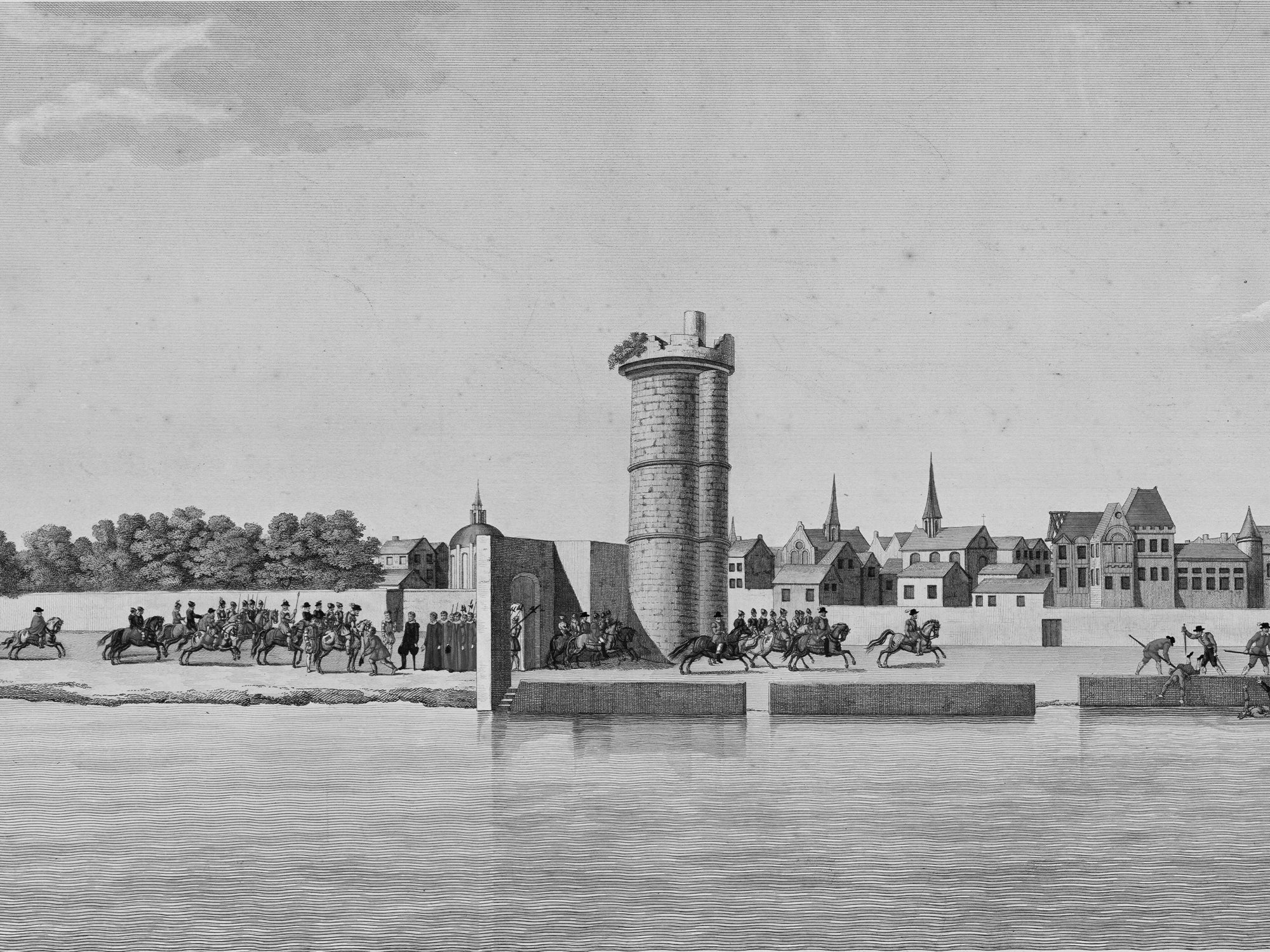
1589
Paris grapples with the aftermath of the French Wars of Religion, a period of brutal conflict between Catholics and Protestants. The assassination of Henry III leads to the rise of Henry IV, whose rule ushers in an era of stabilization. His policies promote religious tolerance, particularly through the Edict of Nantes, aiming to unify a fractured nation.
The city undergoes infrastructural improvements, with new bridges, marketplaces, and public services enhancing urban life. Trade and commerce revive, restoring Paris’s reputation as an economic and cultural powerhouse. Despite lingering tensions, the arts flourish, with architecture and literature reflecting the city’s evolving identity.
Henry IV’s vision sets Paris on a path toward becoming a true European capital of power and culture.
Bottom Layer
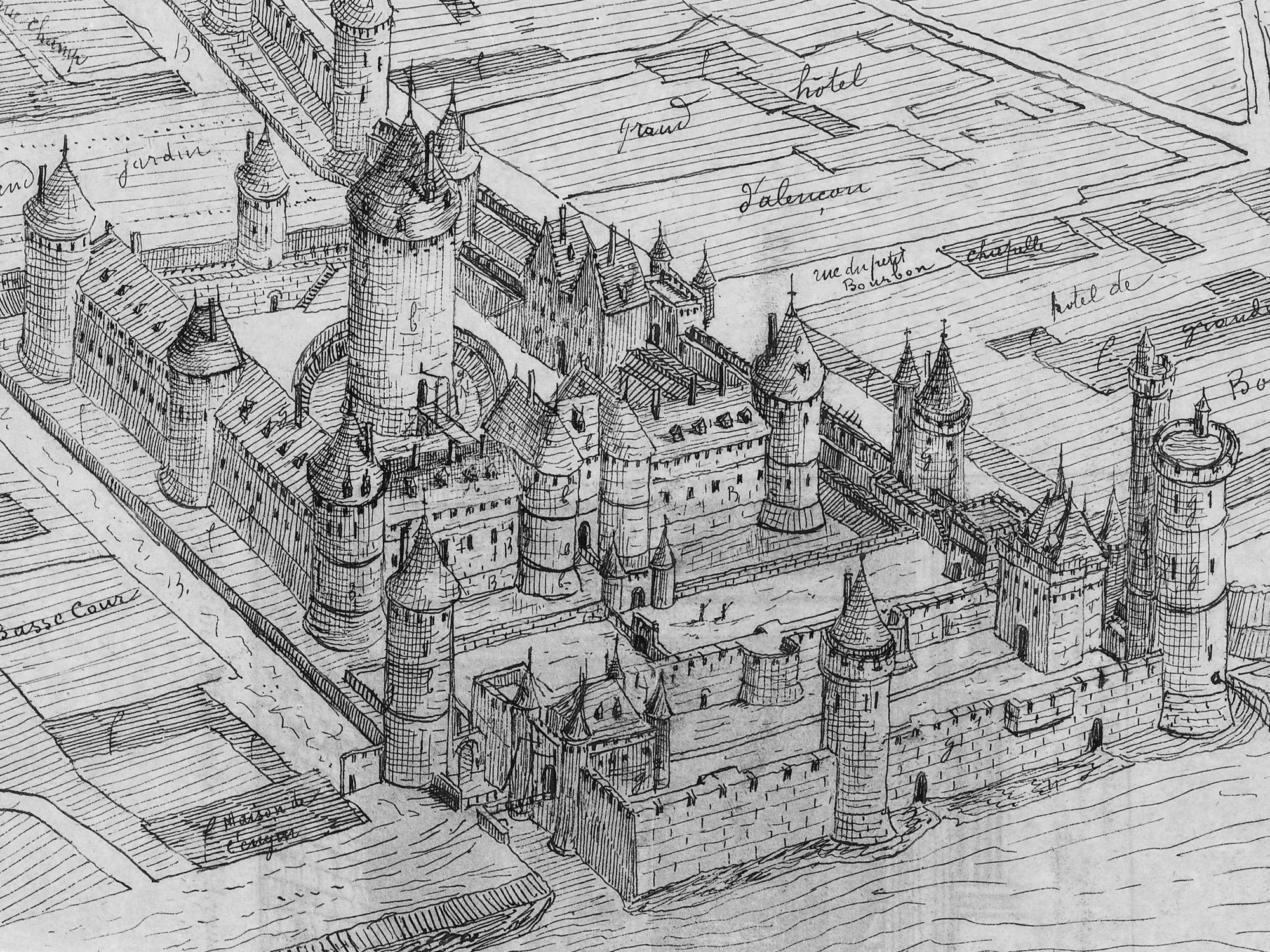
1180
Paris flourishes under King Philip Augustus, who strengthens the city’s defenses with the construction of its first fortified walls. The ambitious construction of Notre Dame Cathedral continues, symbolizing the city’s religious and architectural prestige as well as the rise of Gothic architecture.
The expanding population fuels urban growth, with markets, churches, and universities establishing Paris as a center of trade and learning. The Seine River remains vital for commerce, linking Paris to broader European trade networks. Parisian streets bustle with merchants, scholars, and clergy, reinforcing the city’s status as the heart of the Capetian dynasty. Feudal structures define daily life, though the city’s growing influence foreshadows its emergence as France’s political and cultural heart.
Under Philip Augustus, Paris embarks on a path toward modernization, setting the stage for future developments in governance, infrastructure, and education.
MAP LOCATION
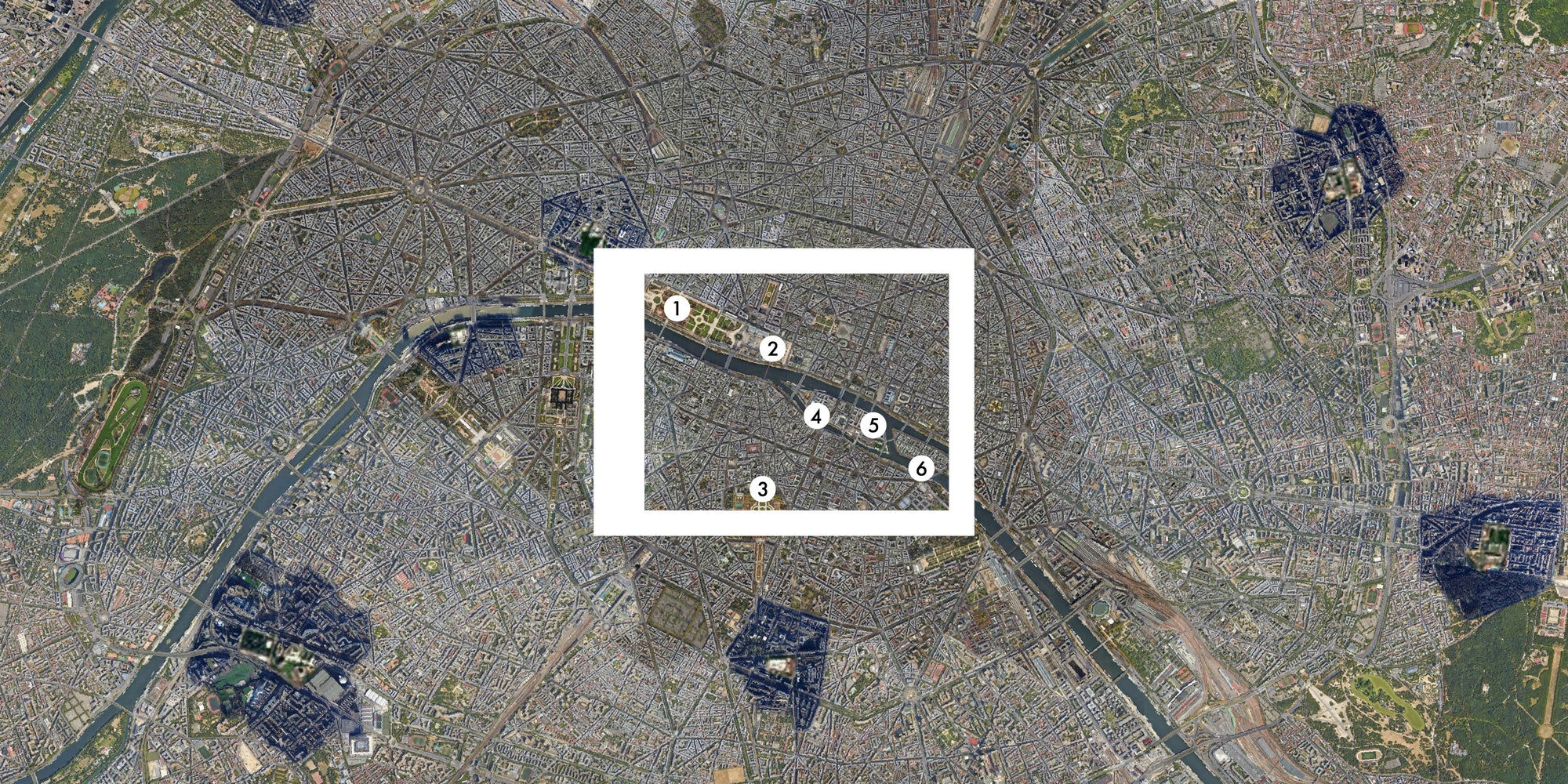
1. Tuileries Garden
2. The Louvre
3. Jardin du Luxembourg
4. Sainte-Chapelle
5. Cathédrale Notre-Dame
6. Seine
